
Have A Ball This Summer Free Printable
Have A Ball This Summer Free Printable - To have endured all that one can: The meaning of have is to hold or maintain (something tangible or intangible) as a possession, privilege, entitlement, or responsibility. Have is one of three auxiliary verbs in english: You may have a big house or have a lot of freckles on your nose. 'have you been to york before?'—'yes we have.' See examples of have used in a sentence. How to use have in a sentence. The verb have is an irregular and auxiliary verb. When do you use “have” and when is “having” correct? From possession to obligation, learn how to use have with example sentences. How to use have in a sentence. I've had it with their delays. You may have a big house or have a lot of freckles on your nose. When do you use “have” and when is “having” correct? See examples of have used in a sentence. The meaning of have is to hold or maintain (something tangible or intangible) as a possession, privilege, entitlement, or responsibility. We use it to form the perfect tenses, express possession, talk about our experiences and obligations, and describe our relationships with someone. The verb have is an irregular and auxiliary verb. You may have a big house or have a. Explore the different uses and meanings of have in english grammar. You may have a big house or have a lot of freckles on your nose. Today, you'll learn how to use have in english. We use it to form the perfect tenses, express possession, talk about our experiences and obligations, and describe our relationships with someone. To have done. Today, you'll learn how to use have in english. You may have a big house or have a lot of freckles on your nose. You use have when you are confirming or contradicting a statement containing 'have', 'has', or 'had', or answering a question. I've had it with their delays. From possession to obligation, learn how to use have with. Explore the different uses and meanings of have in english grammar. The verb have is an irregular and auxiliary verb. English gives us a lot of ways to have — this is a common word. When do you use “have” and when is “having” correct? To be in a state beyond remedy, repair, or salvage: How to use have in a sentence. You use have when you are confirming or contradicting a statement containing 'have', 'has', or 'had', or answering a question. We use it to form the perfect tenses, express possession, talk about our experiences and obligations, and describe our relationships with someone. Today, you'll learn how to use have in english. See examples. Have is one of three auxiliary verbs in english: I've had it with their delays. English gives us a lot of ways to have — this is a common word. See examples of have used in a sentence. That coat has had it. 'have you been to york before?'—'yes we have.' From possession to obligation, learn how to use have with example sentences. To have endured all that one can: To have something means you possess it somehow. To be in a state beyond remedy, repair, or salvage: English gives us a lot of ways to have — this is a common word. Explore the different uses and meanings of have in english grammar. To have done everything that is possible or that will be. The meaning of have is to hold or maintain (something tangible or intangible) as a possession, privilege, entitlement, or responsibility. See examples of. From possession to obligation, learn how to use have with example sentences. To have endured all that one can: 'have you been to york before?'—'yes we have.' The verb have is an irregular and auxiliary verb. We use it to form the perfect tenses, express possession, talk about our experiences and obligations, and describe our relationships with someone. You use have when you are confirming or contradicting a statement containing 'have', 'has', or 'had', or answering a question. To have done everything that is possible or that will be. Have is one of three auxiliary verbs in english: That coat has had it. When do you use “have” and when is “having” correct? To have done everything that is possible or that will be. To have something means you possess it somehow. From possession to obligation, learn how to use have with example sentences. The meaning of have is to hold or maintain (something tangible or intangible) as a possession, privilege, entitlement, or responsibility. When do you use “have” and when is “having”. You may have a big house or have a lot of freckles on your nose. Today, you'll learn how to use have in english. English gives us a lot of ways to have — this is a common word. When do you use “have” and when is “having” correct? To have something means you possess it somehow. We use it to form the perfect tenses, express possession, talk about our experiences and obligations, and describe our relationships with someone. Explore the different uses and meanings of have in english grammar. You may have a big house or have a lot of freckles on your nose. English gives us a lot of ways to have — this is. You use have when you are confirming or contradicting a statement containing 'have', 'has', or 'had', or answering a question. English gives us a lot of ways to have — this is a common word. How to use have in a sentence. From possession to obligation, learn how to use have with example sentences. Today, you'll learn how to use. Explore the different uses and meanings of have in english grammar. When do you use “have” and when is “having” correct? To have done everything that is possible or that will be. You may have a big house or have a lot of freckles on your nose. To have endured all that one can: The verb have is an irregular and auxiliary verb. Today, you'll learn how to use have in english. The meaning of have is to hold or maintain (something tangible or intangible) as a possession, privilege, entitlement, or responsibility. I've had it with their delays. To have something means you possess it somehow. I've had it with their delays. That coat has had it. From possession to obligation, learn how to use have with example sentences. Today, you'll learn how to use have in english. We use it to form the perfect tenses, express possession, talk about our experiences and obligations, and describe our relationships with someone. English gives us a lot of ways to have — this is a common word. Explore the different uses and meanings of have in english grammar. When do you use “have” and when is “having” correct? You may have a big house or have a lot of freckles on your nose. We use it to form the perfect tenses, express. See examples of have used in a sentence. Explore the different uses and meanings of have in english grammar. How to use have in a sentence. We use it to form the perfect tenses, express possession, talk about our experiences and obligations, and describe our relationships with someone. I've had it with their delays. Have is one of three auxiliary verbs in english: To have done everything that is possible or that will be. See examples of have used in a sentence. That coat has had it. You may have a big house or have a lot of freckles on your nose. That coat has had it. How to use have in a sentence. When do you use “have” and when is “having” correct? 'have you been to york before?'—'yes we have.' You may have a big house or have a lot of freckles on your nose. See examples of have used in a sentence. When do you use “have” and when is “having” correct? From possession to obligation, learn how to use have with example sentences. You use have when you are confirming or contradicting a statement containing 'have', 'has', or 'had', or answering a question. To have done everything that is possible or that will. English gives us a lot of ways to have — this is a common word. You may have a big house or have a lot of freckles on your nose. To have done everything that is possible or that will be. To be in a state beyond remedy, repair, or salvage: Have is one of three auxiliary verbs in english: Today, you'll learn how to use have in english. From possession to obligation, learn how to use have with example sentences. To have endured all that one can: The verb have is an irregular and auxiliary verb. How to use have in a sentence. Today, you'll learn how to use have in english. English gives us a lot of ways to have — this is a common word. That coat has had it. When do you use “have” and when is “having” correct? You use have when you are confirming or contradicting a statement containing 'have', 'has', or 'had', or answering a question. To have something means you possess it somehow. Explore the different uses and meanings of have in english grammar. Today, you'll learn how to use have in english. I've had it with their delays. To be in a state beyond remedy, repair, or salvage: We use it to form the perfect tenses, express possession, talk about our experiences and obligations, and describe our relationships with someone. When do you use “have” and when is “having” correct? To have endured all that one can: To be in a state beyond remedy, repair, or salvage: See examples of have used in a sentence. That coat has had it. Explore the different uses and meanings of have in english grammar. How to use have in a sentence. To have something means you possess it somehow. We use it to form the perfect tenses, express possession, talk about our experiences and obligations, and describe our relationships with someone. We use it to form the perfect tenses, express possession, talk about our experiences and obligations, and describe our relationships with someone. English gives us a lot of ways to have — this is a common word. The verb have is an irregular and auxiliary verb. See examples of have used in a sentence. I've had it with their delays. From possession to obligation, learn how to use have with example sentences. To have done everything that is possible or that will be. The verb have is an irregular and auxiliary verb. We use it to form the perfect tenses, express possession, talk about our experiences and obligations, and describe our relationships with someone. To have endured all that one. 'have you been to york before?'—'yes we have.' To have endured all that one can: You may have a big house or have a lot of freckles on your nose. Explore the different uses and meanings of have in english grammar. The meaning of have is to hold or maintain (something tangible or intangible) as a possession, privilege, entitlement, or. We use it to form the perfect tenses, express possession, talk about our experiences and obligations, and describe our relationships with someone. Have is one of three auxiliary verbs in english: When do you use “have” and when is “having” correct? See examples of have used in a sentence. You use have when you are confirming or contradicting a statement. How to use have in a sentence. That coat has had it. The verb have is an irregular and auxiliary verb. English gives us a lot of ways to have — this is a common word. To have done everything that is possible or that will be. You use have when you are confirming or contradicting a statement containing 'have', 'has', or 'had', or answering a question. Explore the different uses and meanings of have in english grammar. To be in a state beyond remedy, repair, or salvage: We use it to form the perfect tenses, express possession, talk about our experiences and obligations, and describe our. We use it to form the perfect tenses, express possession, talk about our experiences and obligations, and describe our relationships with someone. 'have you been to york before?'—'yes we have.' I've had it with their delays. Explore the different uses and meanings of have in english grammar. To have done everything that is possible or that will be. From possession to obligation, learn how to use have with example sentences. To be in a state beyond remedy, repair, or salvage: Today, you'll learn how to use have in english. See examples of have used in a sentence. How to use have in a sentence. You use have when you are confirming or contradicting a statement containing 'have', 'has', or 'had', or answering a question. That coat has had it. Have is one of three auxiliary verbs in english: To have something means you possess it somehow. You may have a big house or have a lot of freckles on your nose. To have endured all that one can:
Have a ball this summer gift tags free printable Artofit
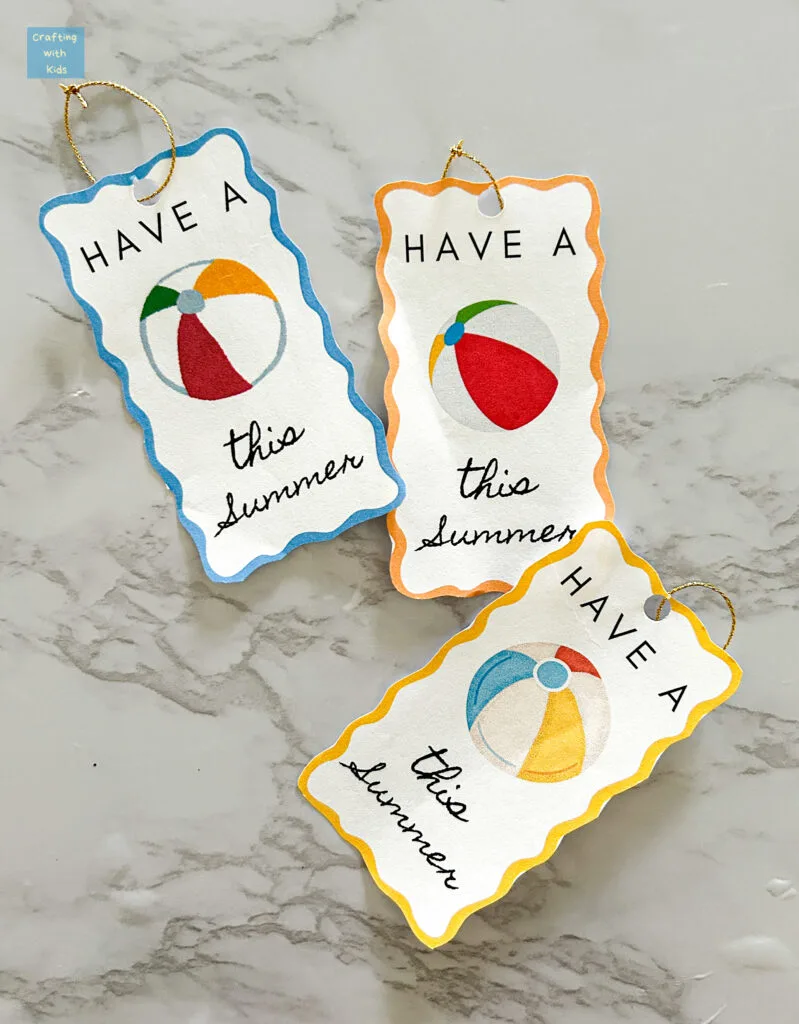
Fun Summer End of Year Printable Gift Tags for Kids

Have a Ball this Summer Printable Tag End of Year/ Summer Gift Tags

Summer Free Printable Gift Tags For Students

Have a Ball This Summer Gift Tags(free printable)

"Have a Ball This Summer" Printable Tag End of Year Gift Tag

Summer Ice Cream Gift Tag, Printable PDF My Party Design
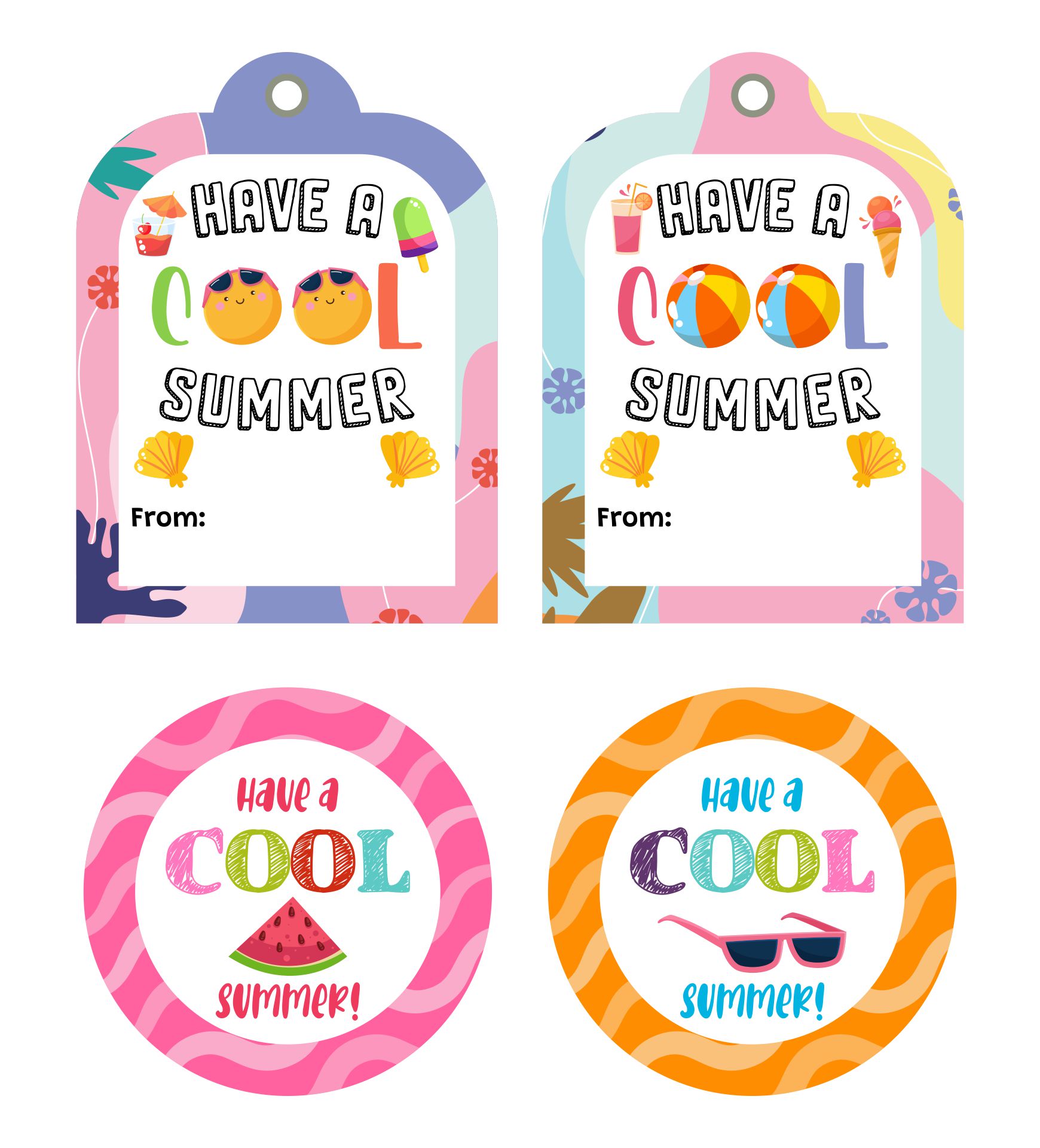
Have A Ball This Summer 16 Free PDF Printables Printablee

Have a ball this summer gift tags free printable Artofit
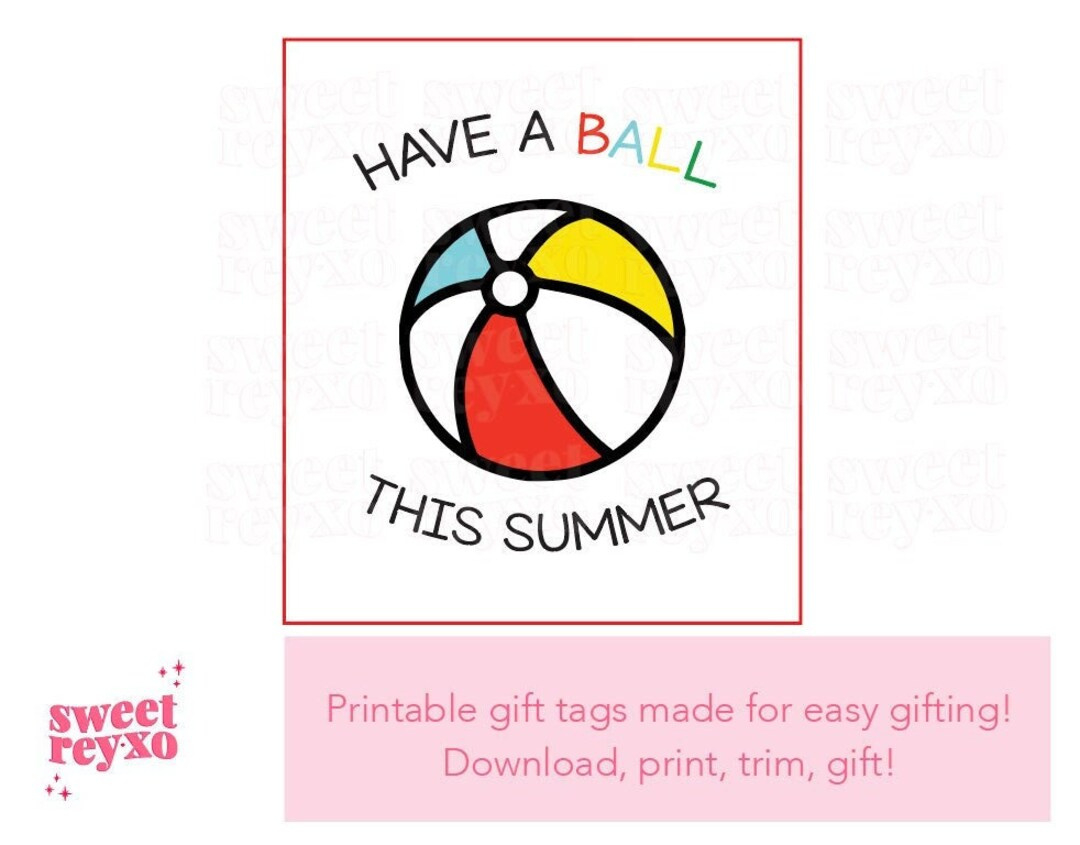
Have a Ball This Summer Free Printable FREE Printable HQ

Have A Ball This Summer Free Printable

Have A Ball This Summer 16 Free PDF Printables Printablee
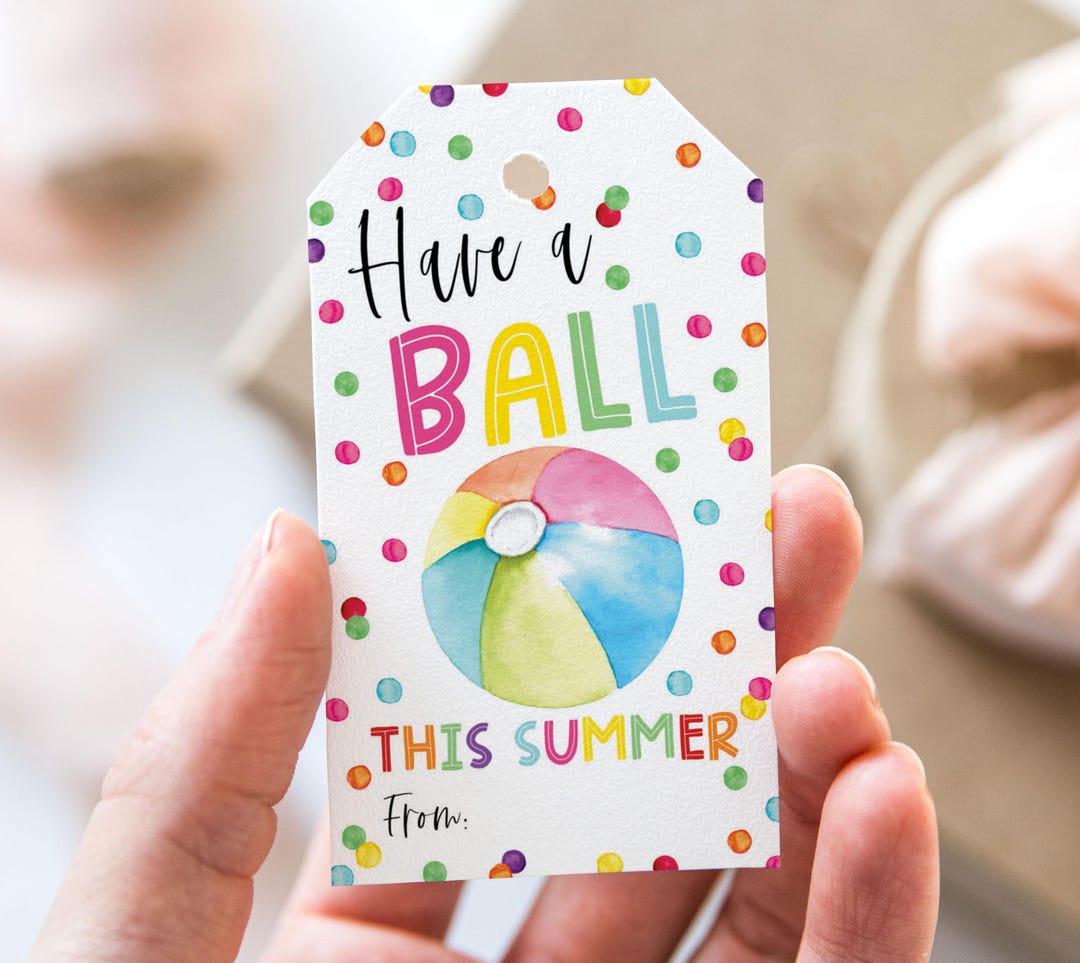
Have A Ball This Summer Tag, Printable End of School Year Favor Tags

Have A Ball This Summer Free Printable Web Great For End Of Year Gift

Have a Ball This Summer Free Printable Gift Tag PrintyBird

Have a Ball This Summer Gift Tags(free printable)

Have a Ball This Summer Free Printable Gift Tag PrintyBird
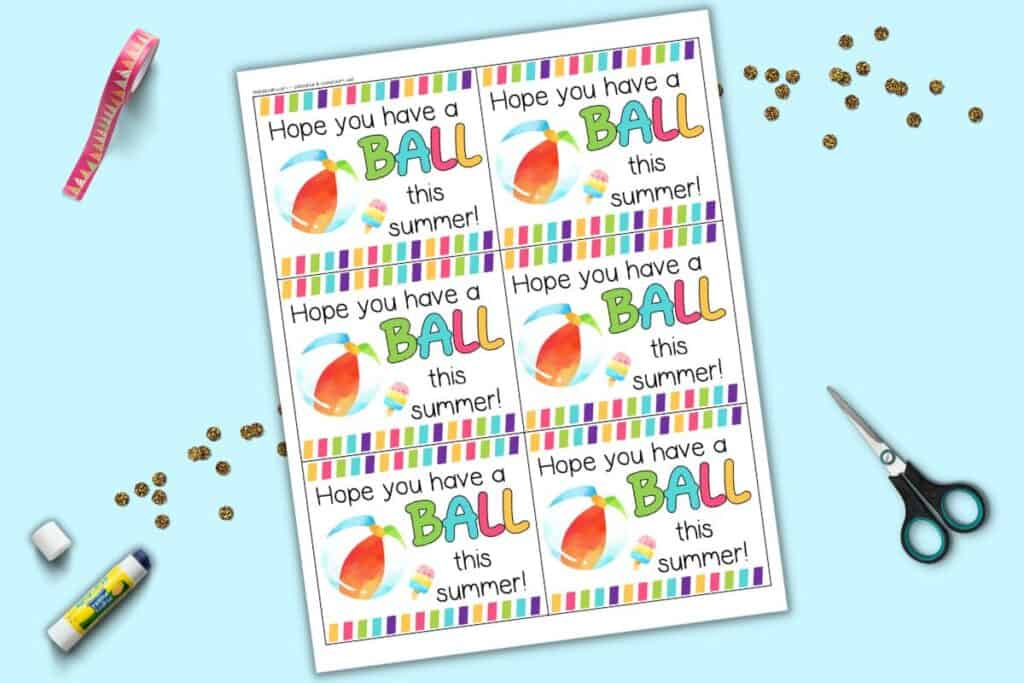
Have A Ball This Summer Free Printable

Have a ball this summer gift tags free printable Artofit

Have a Ball this Summer Printable Tag End of Year/ Summer Gift Tags

Have a Ball This Summer Printable Gift Tags for EndofYear or Summer

Have A Ball This Summer Free Printable

Have A Ball This Summer 10 Free PDF Printables Printablee Free

Have a Ball This Summer Free Printable Gift Tag Free printable gifts

Have a Ball This Summer Printable Tag Beach Ball End of Year Gift Tags

Have a Ball This Summer Gift Tags(free printable)
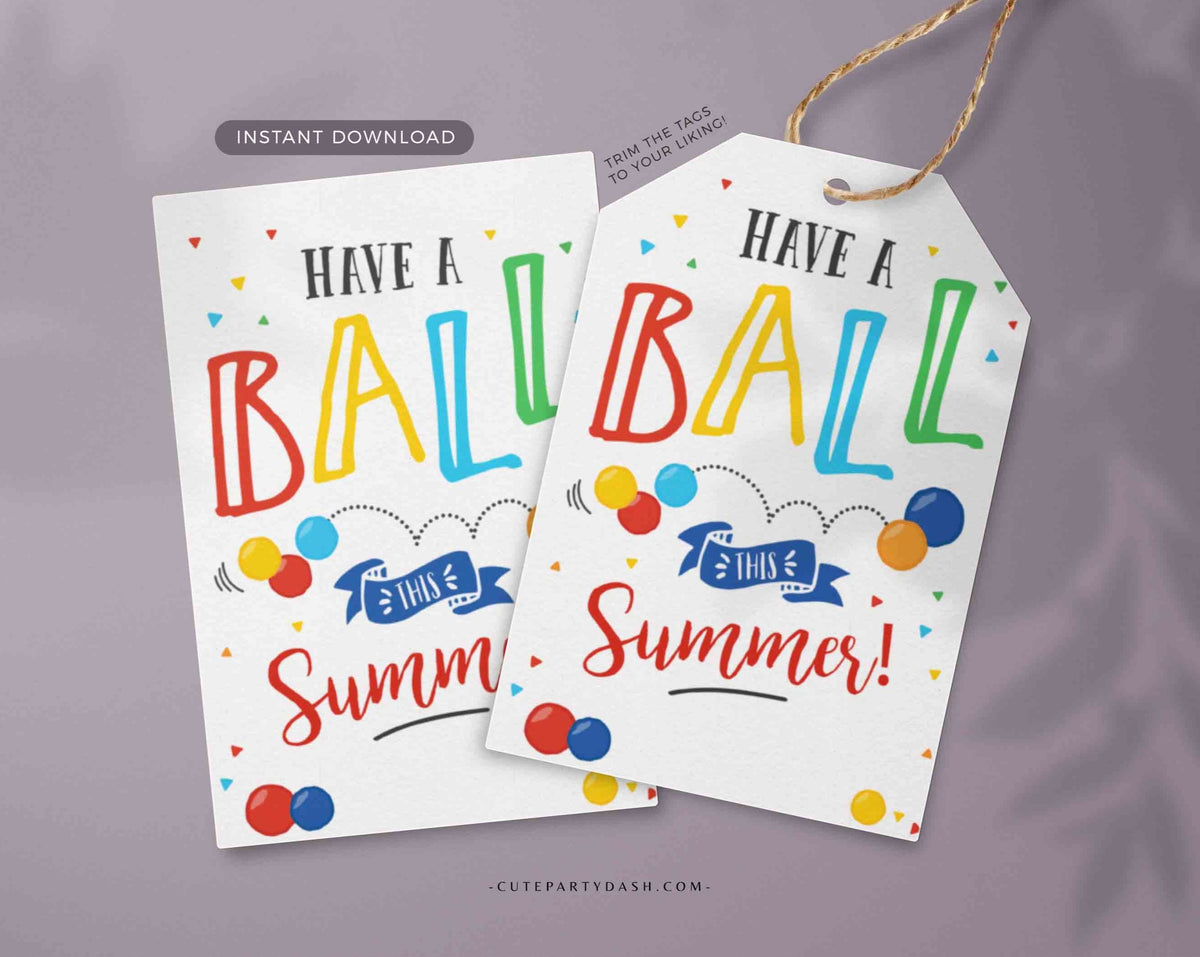
Printable Have a Ball this Summer Gift Tag Cute Party Dash
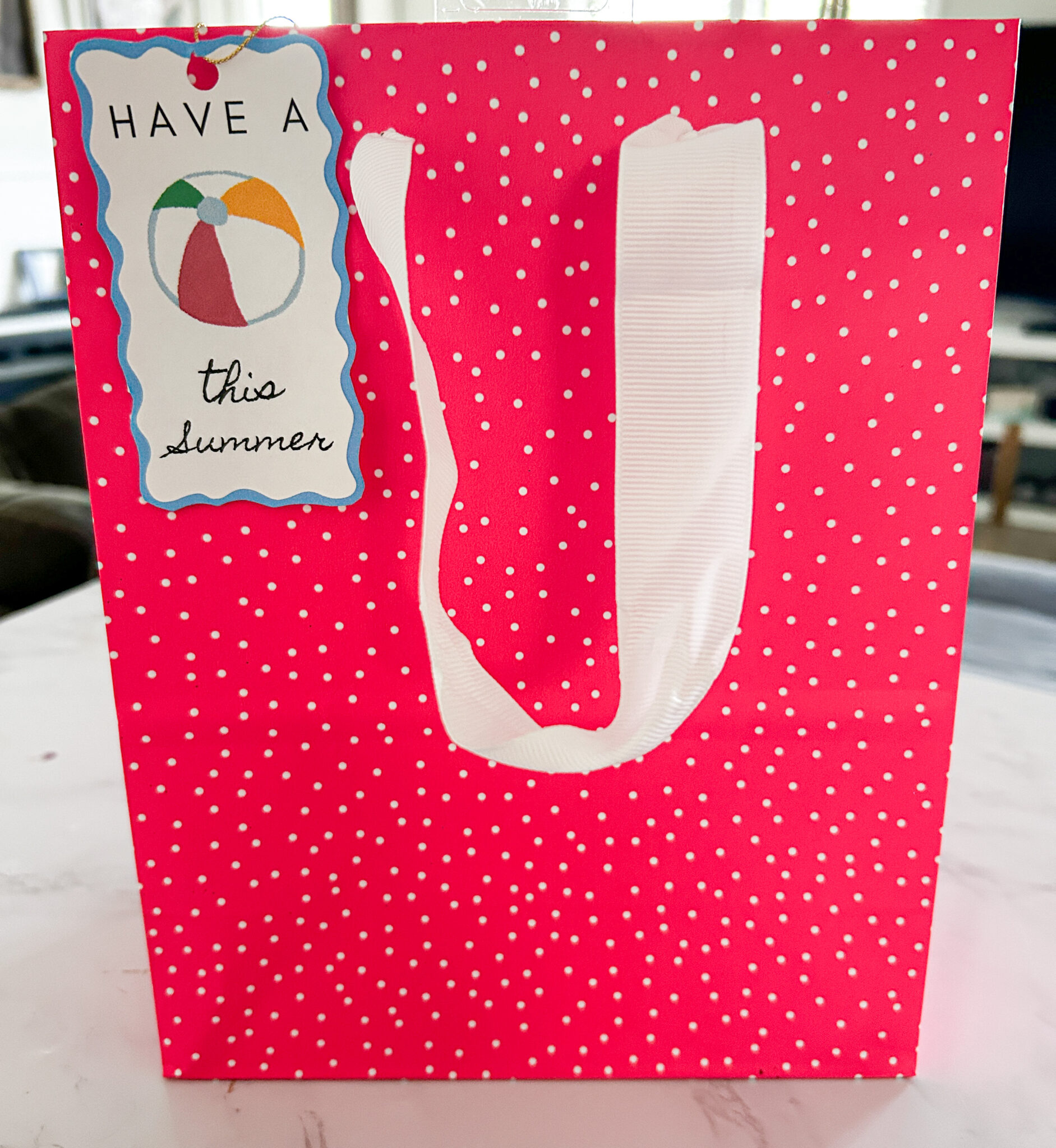
Fun Summer End of Year Printable Gift Tags for Kids

Printable/editable Have a Ball This Summer Fun Summer Break Last Day of
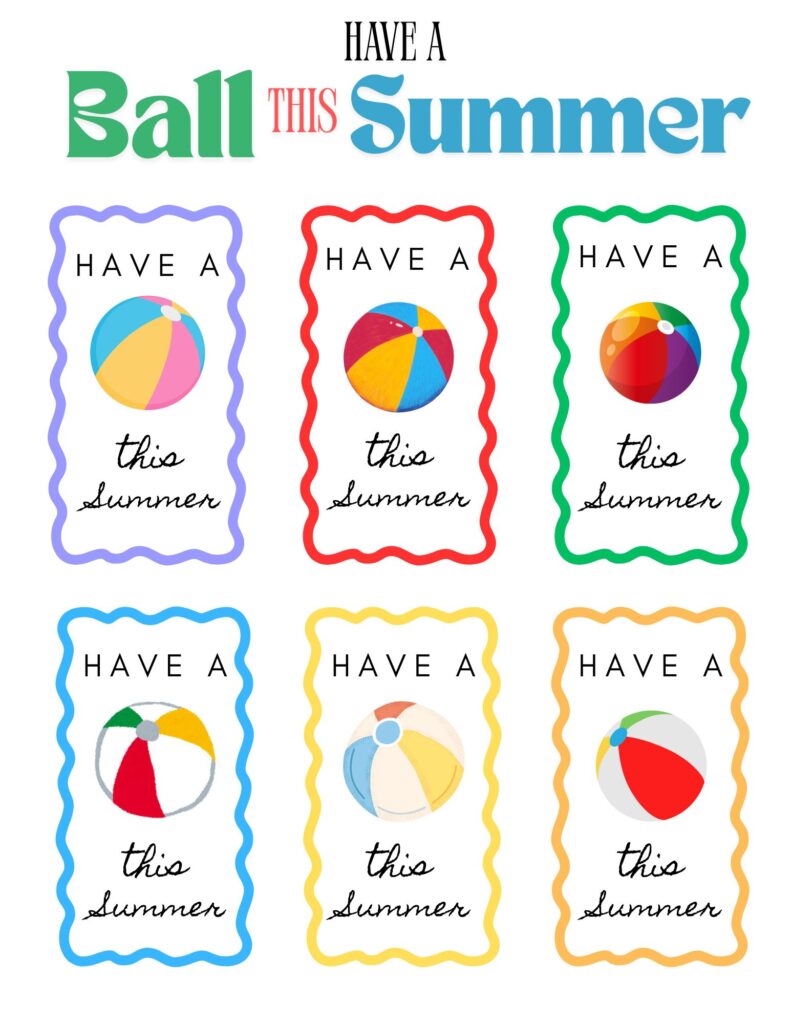
Have a Ball This Summer Printable Fun EndofYear Gift Tags

Have A Cool Summer Gift Tags 14 Free PDF Printables Printablee

Have A Ball This Summer Printable Tag, End Of Year Gift Tags, End of

Printable Have a Ball this Summer Gift Tag Cute Party Dash

Have a Ball this Summer Printable Tag End of Year/ Summer Gift Tags

Have a ball this summer gift tags free printable Artofit
The Verb Have Is An Irregular And Auxiliary Verb.
English Gives Us A Lot Of Ways To Have — This Is A Common Word.
When Do You Use “Have” And When Is “Having” Correct?
The Meaning Of Have Is To Hold Or Maintain (Something Tangible Or Intangible) As A Possession, Privilege, Entitlement, Or Responsibility.
Related Post: